Southeast Asia is warm all year, which is exactly why timing is so often misunderstood. The region does not have a winter; it has dry seasons and monsoons — and they arrive at different times on different coasts. A trip that is perfect in Phuket can be wet in Langkawi's neighbour across the strait, and the best month for Bali is one of the wettest for Vietnam's central coast.
This guide sets out the seasons in each of the six destinations we operate, the festivals worth planning around, and the combinations that work best together.
The quick answer
| Destination | Best months | Wetter months | Good to know |
|---|---|---|---|
| Malaysia — Kuala Lumpur & west coast | All year | Short tropical showers, often in the afternoon | Langkawi and Penang are pleasant most of the year |
| Malaysia — east-coast islands | March – October | November – February (north-east monsoon) | Redang, Perhentian and Tioman resorts close or slow down in the monsoon |
| Thailand | November – April | May – October | April is the hottest month — and the month of Songkran |
| Bali & Java | April – October | November – March | Plan around Nyepi, when Bali's airport closes for 24 hours |
| Singapore | All year; Feb – Apr usually driest | November – January | Easy to combine with Malaysia by air or road |
| Vietnam | Spring (Mar – Apr) and autumn (Sep – Nov) | Varies north to south | Hanoi has a cool winter; the south is warm all year |
Malaysia: an all-year destination with one exception
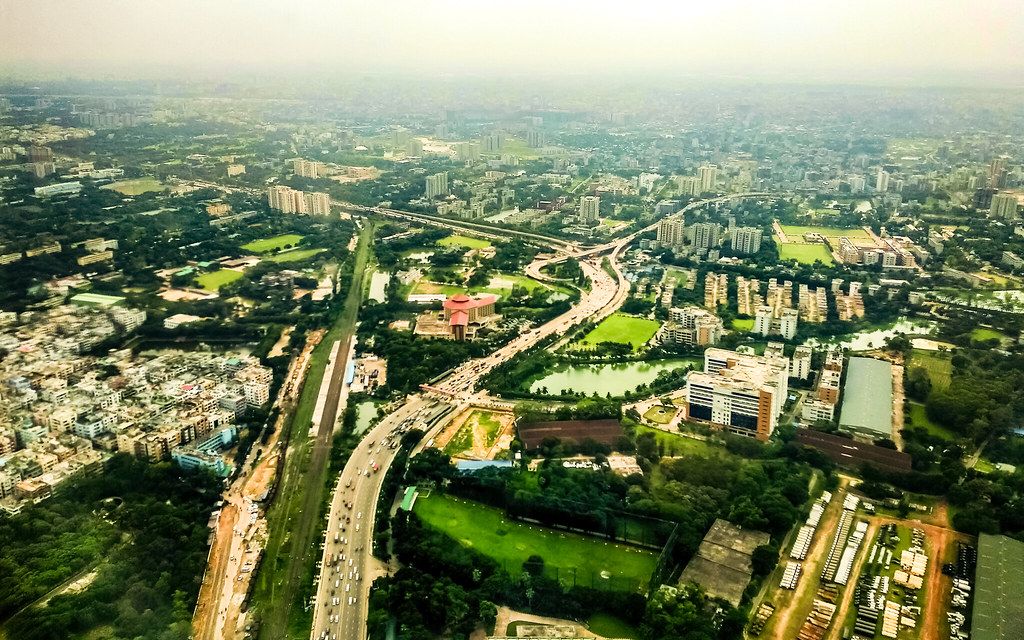
Kuala Lumpur, Genting Highlands, Putrajaya, Melaka and the west coast can be sold in every month. Rain usually comes as a short, heavy shower in the afternoon and rarely stops a programme — which is one reason Malaysia works so well for groups.
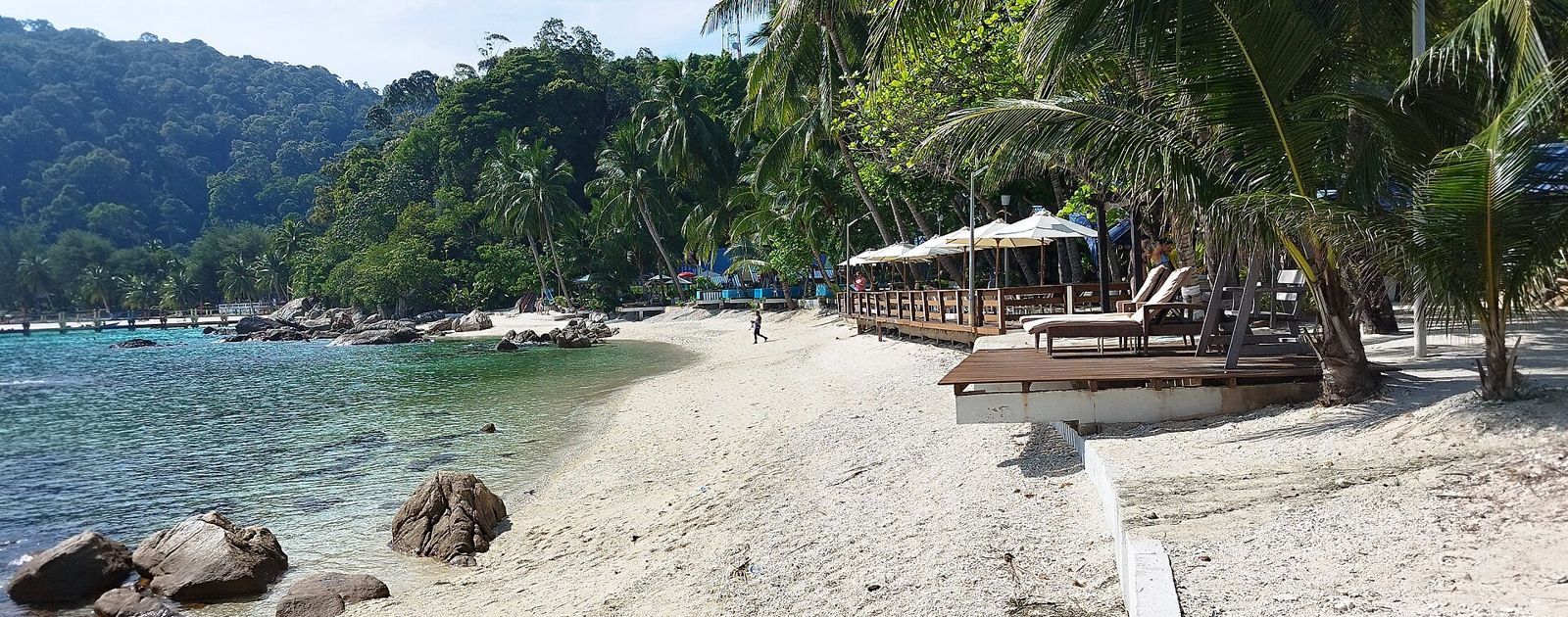
The exception is the east coast. From roughly November to February the north-east monsoon brings rough seas to Redang, Perhentian and Tioman, and many island resorts close. If a client wants white-sand islands in the northern winter, send them to Langkawi or Penang on the west coast instead.
July and August are peak months for visitors from the Middle East, coinciding with the Malaysia Mega Sale season. Hotels in Kuala Lumpur and Genting fill early — hold group allotments at least three months ahead.
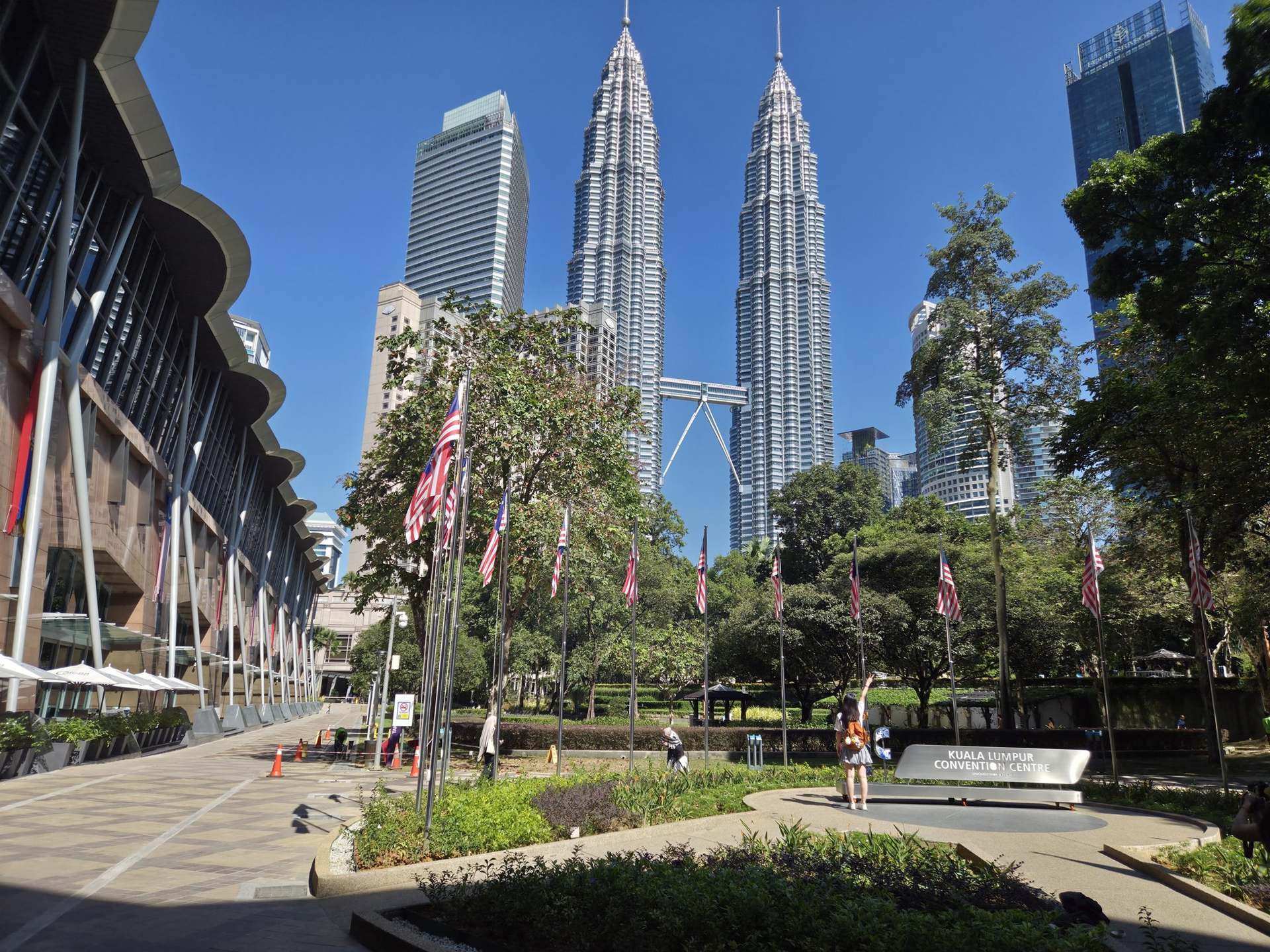 Malaysia travel guideWhere to go, things to do and a 7-day itinerary
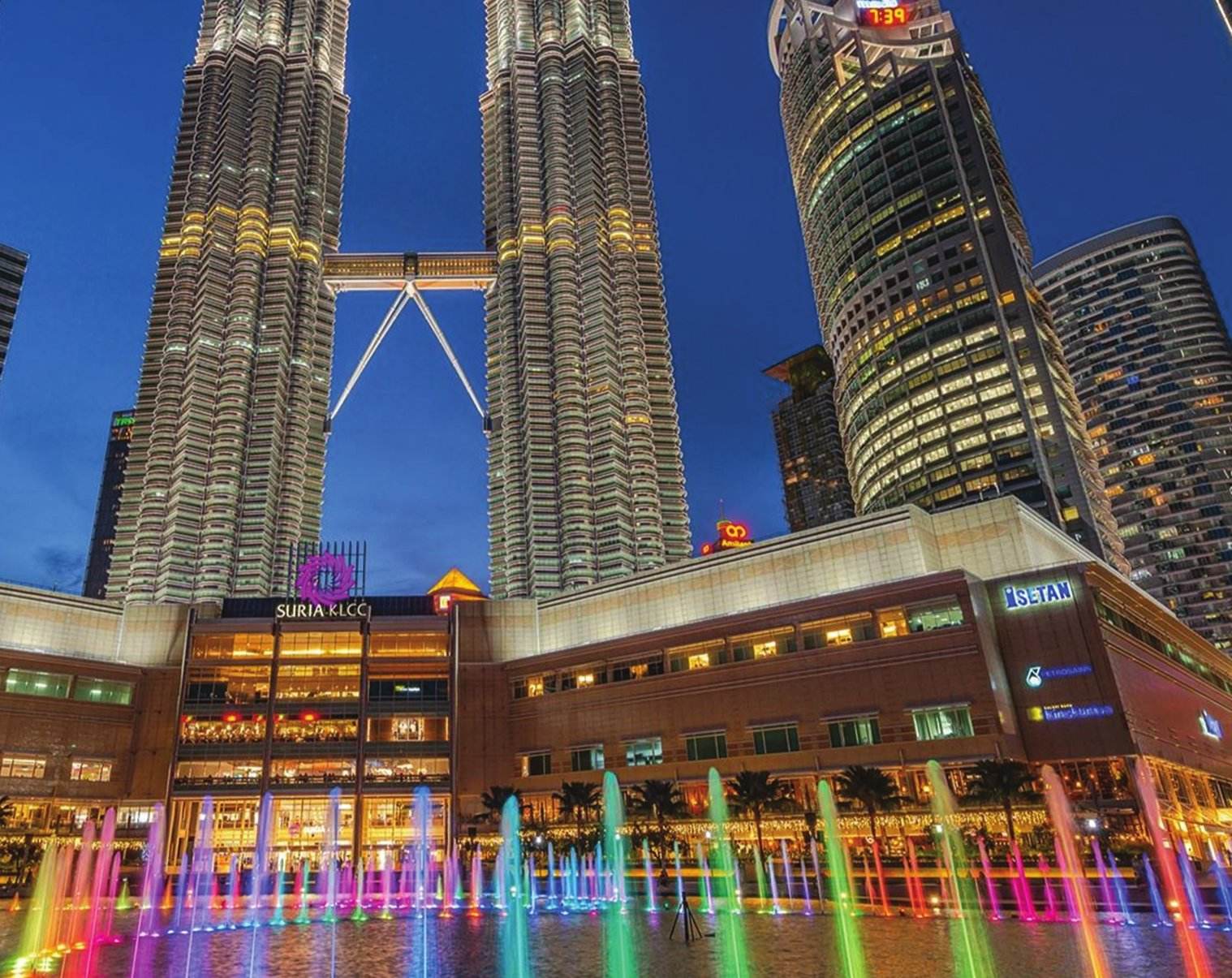 Malaysia tours13 tours, from KL city tours to Langkawi
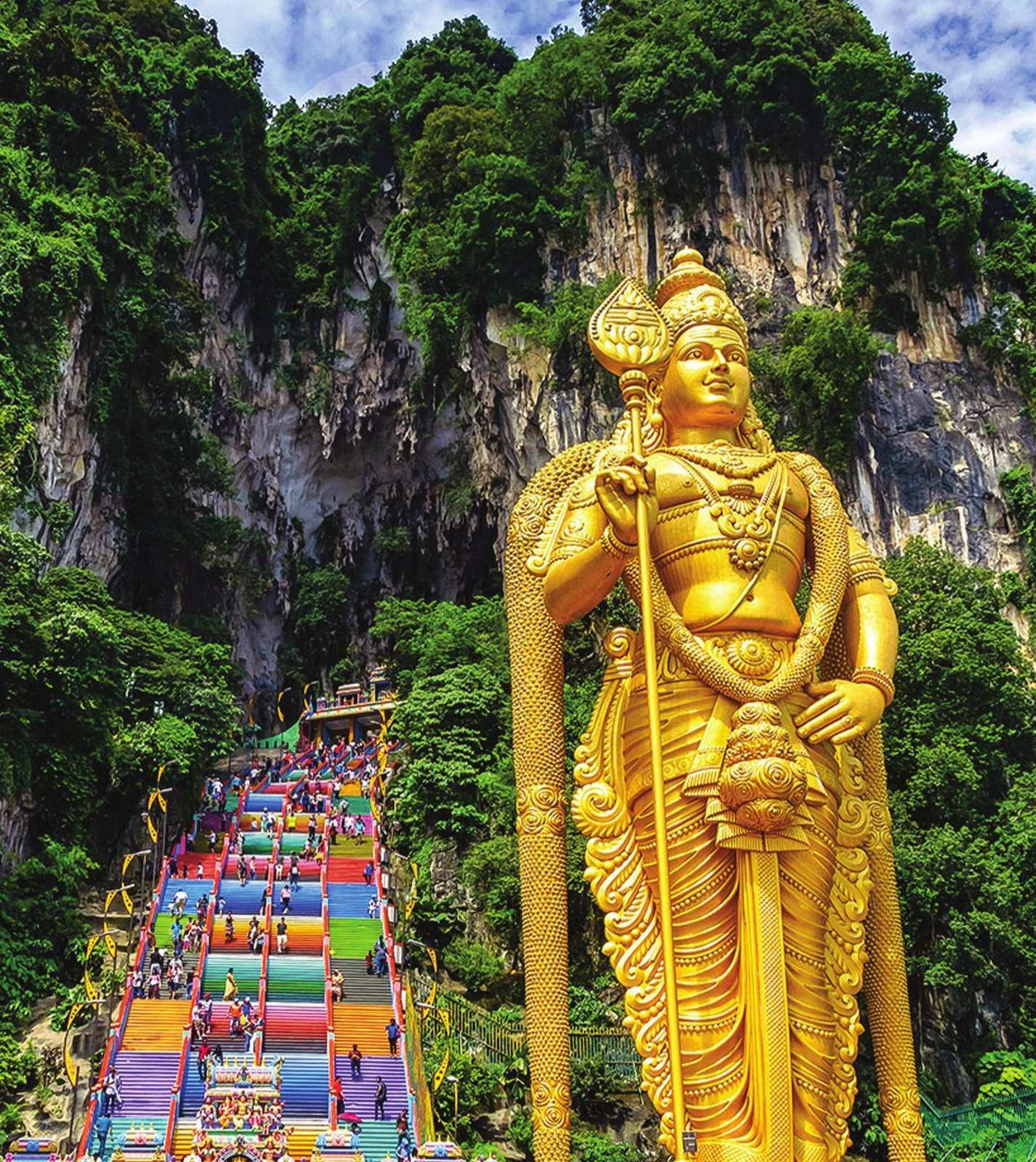 Malaysia eventsThaipusam, Hari Raya, Merdeka and more
Thailand: November to April for beaches and Bangkok
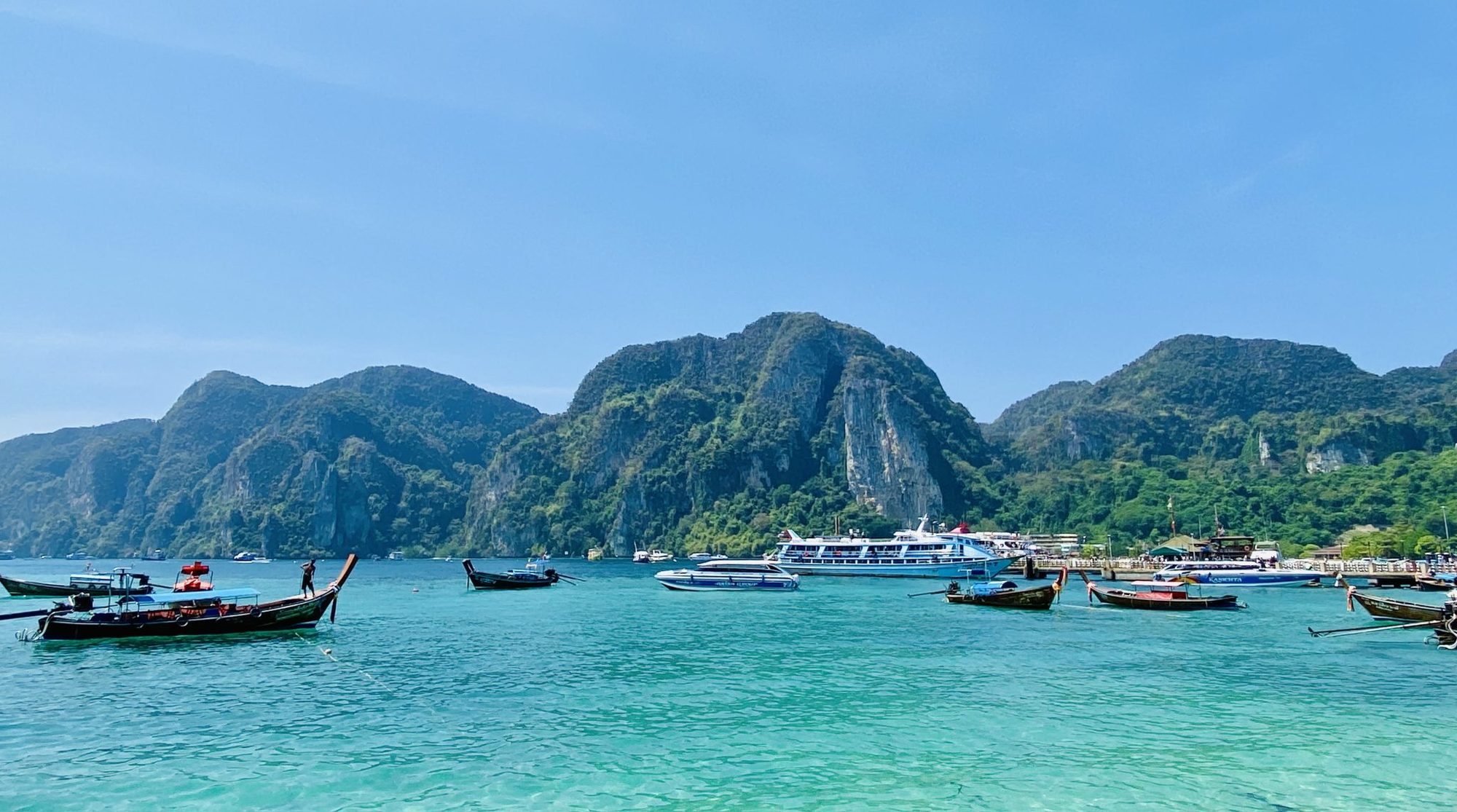
The cool, dry season from November to February is Thailand's high season: comfortable temperatures in Bangkok and Chiang Mai, and calm seas for Phi Phi and the Andaman islands. March and April get progressively hotter, ending with Songkran on 13–15 April.
From May to October the south-west monsoon reaches the Andaman coast (Phuket, Krabi, Phi Phi). It is still very possible to travel — prices fall and the landscape is green — but speedboat trips can be cancelled in rough weather.
Bali and Indonesia: dry from April to October
Bali and Java share a classic tropical pattern: a dry season from about April to October and a wet season from November to March. July and August are the busiest months, with European summer holidays adding to Asian demand.
Two dates matter more than the weather. Nyepi, Bali's Day of Silence, closes the airport and keeps everyone indoors for 24 hours. And on Java, Mount Bromo is at its best in the dry months, when sunrise views are clearest.
In the wet season Bali's rain usually falls in short, heavy bursts, often in the afternoon. Ubud's rice terraces are at their greenest — a good choice for honeymooners and photographers.
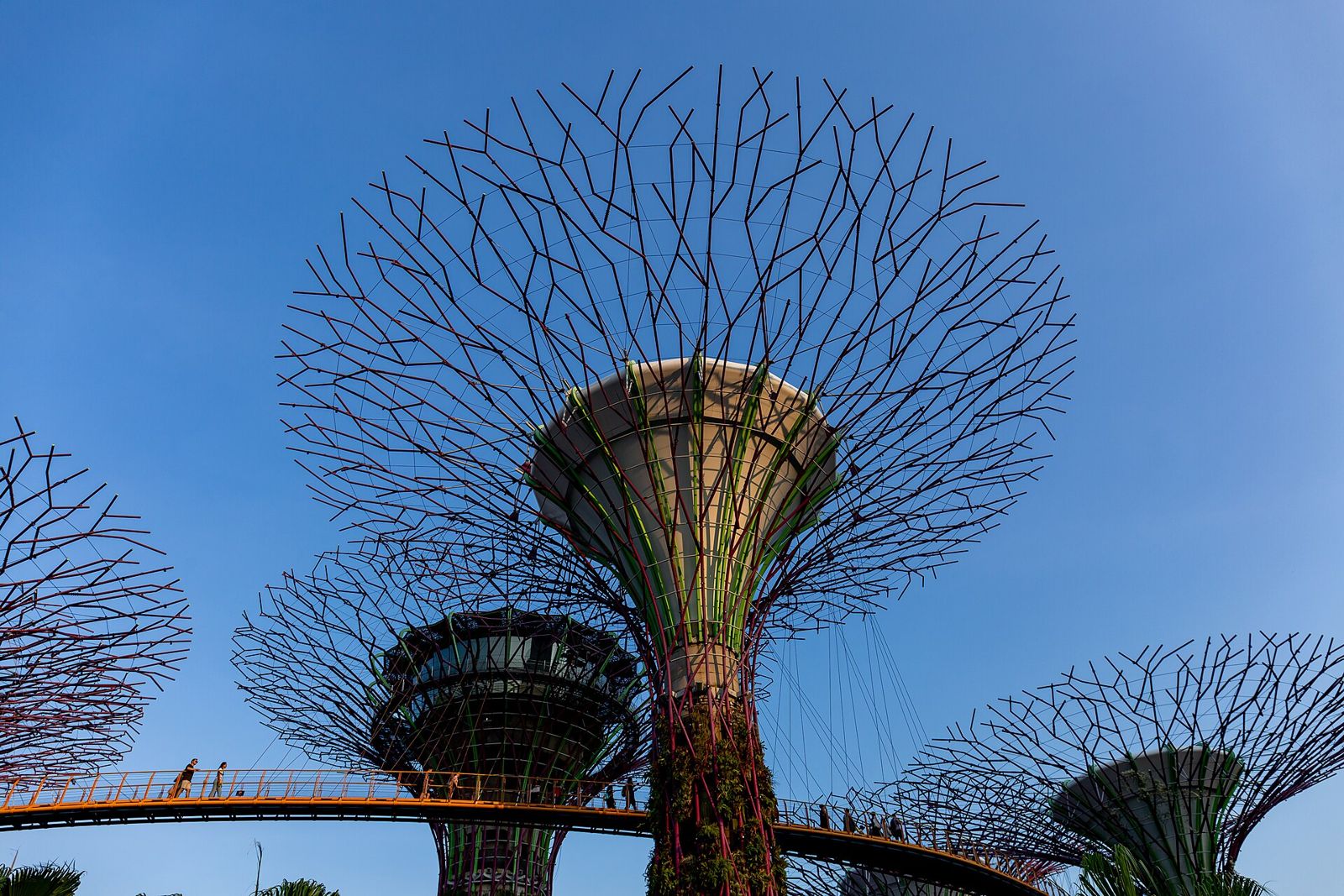
Singapore: any month, best combined
Singapore is warm and humid all year. February to April is often the driest stretch, while the north-east monsoon brings more rain from November to January. Most of our clients visit Singapore for two or three nights as part of a Malaysia programme — about an hour's flight from Kuala Lumpur, or a road journey across the causeway.
Vietnam: think north, centre and south
Vietnam is long and its climate changes along the way. Hanoi and Ha Long Bay have a cool, sometimes drizzly winter and a hot summer; Hoi An and the centre can see storms in October and November; Ho Chi Minh City is warm all year with a wet season from May to October. Spring and autumn suit a full north-to-south route best.
Festivals worth planning around
- Chinese New Year — 6 February 2027 across the region; busy hotels and flights
- Ramadan and Hari Raya Aidilfitri — a special time for Muslim travellers in Malaysia
- Songkran — Thailand's water festival, 13–15 April
- Nyepi — Bali's Day of Silence, around March
- Loy Krathong and Yi Peng — lanterns in Chiang Mai, usually November
The best twin-centre combinations by season
| When | Combination | Why it works |
|---|---|---|
| December – March | Kuala Lumpur + Langkawi + Phuket | West-coast beaches and Thailand's dry season |
| April – October | Kuala Lumpur + Bali | Bali's dry season; KL works all year |
| All year | Kuala Lumpur + Singapore | One hour apart by air; no seasonal risk |
| March – April / Sept – Nov | Kuala Lumpur + Vietnam | Vietnam's best shoulder seasons |
Frequently asked questions
What is the single best month for a Southeast Asia trip?
There isn't one for the whole region, but March and April work well for Malaysia, Thailand, Singapore and Vietnam together, while Bali is best from April.
Is the monsoon a reason to avoid travelling?
Not usually. Rain tends to come in short showers. The real exceptions are island trips on the affected coast, such as Malaysia's east coast in the northern winter.
When are hotels most expensive?
Around Chinese New Year, the Gulf summer holidays (July–August) and the Christmas period.
Planning dates for a group?
Tell us your source market and preferred months — our Kuala Lumpur team will suggest the best combination and hold rooms early.
Request a programmeExplore our tours